


Department · Microbial science and applied biosystems
Department of Microbiology
Microbiology teaching and research with practical laboratory orientation and postgraduate specialisation.
- Faculty listed
- 3
- Programmes
- 2
About the department
About Microbiology
Established in June 1984, the Department of Microbiology is the youngest aided department at the Institute of Science. We specialize in innovative programs in microbial sciences. Our state-of-the-art facilities and dynamic curriculum blend theoretical study with practical research.
Led by distinguished faculty, our research extends to areas like infectious diseases, environmental microbiology, and the impact of microbes on agriculture. We prepare our graduates to address scientific challenges, leading advancements in healthcare, industry, agriculture, and environmental conservation.
Beyond academics, our mentoring system addresses students' day-to-day academic and personal challenges, ensuring a supportive environment that enhances learning experience.
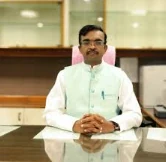
Head of Department
Prof. Ulhas K. Patil
Prof. Ulhas K. Patil is a distinguished microbiologist and academician, currently serving as Professor and Head of the Department of Microbiology and Biotechnology at the Institute of Science, Mumbai, Maharashtra, India.
Previously, he served as Director of the Government Institute of Forensic Science, Chhatrapati Sambhajinagar, and Professor and Head of the Department of Microbiology at the Government Institute of Science, Chhatrapati Sambhajinagar.
Educational qualifications
Prof. Patil completed his M.Sc. in Microbiology from Kavayitri Bahinabai Chaudhari North Maharashtra University, Jalgaon. He consistently ranked among the top students during his undergraduate and postgraduate studies. He subsequently earned a Ph.D. in Microbiology.
Academic and research experience
With more than 23 years of teaching experience at undergraduate and postgraduate levels, Prof. Patil has contributed to microbiology education, research, and academic administration.
He is a recognized Ph.D. research guide associated with universities in Maharashtra, including KBC North Maharashtra University, Jalgaon, and Dr. Babasaheb Ambedkar Marathwada University, Chhatrapati Sambhajinagar.
Professional contributions
Throughout his academic career, Prof. Patil has held important teaching, research supervision, departmental leadership, and institutional administrative responsibilities.
His professional interests encompass microbiology, biotechnology, scientific research, and higher education.
Educational philosophy
Prof. Patil describes himself as:
“I am a learner who is learning how students learn!”
This philosophy reflects his emphasis on continuous learning, understanding students' learning processes, and improving educational practices.
People
Faculty
As listed in the 2025–26 department brochure. Designations and qualifications appear only where the brochure prints them.
-
Prof. Ulhas K. Patil
Professor & Head, Department of Microbiology and Biotechnology
-
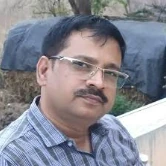
Mr. Rajendra Gangadhar Choure
-
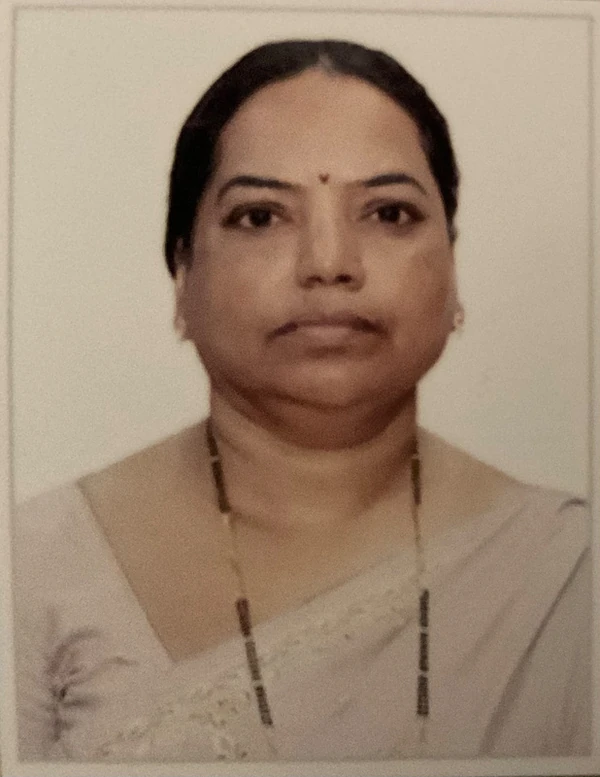
Mrs. Sangeeta Kedarnath Jangam
Study
Programmes & eligibility
Ph.D. Microbiology
Eligibility
- B.Sc. Microbiology; as per merit
NEP 2020
Curriculum & credit distribution
Transcribed from the 2025–26 brochure. Totals are calculated from the course rows; where the brochure prints a different figure it is shown beside the total.
| Course | Type | Credits |
|---|---|---|
| Semester I NEP level 4.5 | ||
| Subject-1 Major: DSC | Major (mandatory) | 6 (4 + 2) |
| Subject-2 Minor | Minor | 4 |
| Subject-3 GE/OE | Open elective | 2 |
| VSC | VSC / SEC | 2 |
| AEC | AEC / VEC / IKS | 2 |
| IKS | AEC / VEC / IKS | 2 |
| VEC | AEC / VEC / IKS | 2 |
| CC Listed under the OJT, FP, CEP, CC, RP column group. | OJT / Field project | 2 |
| Semester I total | 22 | |
| Semester II | ||
| Subject-1 Major: DSC | Major (mandatory) | 6 (4 + 2) |
| Subject-2 Minor | Minor | 4 |
| Subject-3 GE/OE | Open elective | 2 |
| VSC | VSC / SEC | 2 |
| AEC | AEC / VEC / IKS | 2 |
| IKS | AEC / VEC / IKS | 2 |
| VEC | AEC / VEC / IKS | 2 |
| CC Listed under the OJT, FP, CEP, CC, RP column group. | OJT / Field project | 2 |
| Semester II total | 22 | |
| Semester III NEP level 5 | ||
| Subject-1 Major: DSC | Major (mandatory) | 6 (4 + 2) |
| Subject-2 Minor | Minor | 6 (4 + 2) |
| Subject-3 GE/OE T/P split not printed (merged cell). | Open elective | 3 |
| SEC Printed as 2+1. | VSC / SEC | 3 |
| AEC | AEC / VEC / IKS | 2 |
| CC Listed under the OJT, FP, CEP, CC, RP column group. | OJT / Field project | 2 |
| Semester III total | 22 | |
| Semester IV | ||
| Subject-1 Major: DSC | Major (mandatory) | 6 (4 + 2) |
| Subject-2 Minor | Minor | 6 (4 + 2) |
| Subject-3 GE/OE T/P split not printed (merged cell). | Open elective | 3 |
| SEC Printed as 2+1. | VSC / SEC | 3 |
| AEC | AEC / VEC / IKS | 2 |
| CC Listed under the OJT, FP, CEP, CC, RP column group. | OJT / Field project | 2 |
| Semester IV total | 22 | |
| Semester V NEP level 5.5 | ||
| Subject-1 Major: DSC | Major (mandatory) | 12 (9 + 3) |
| Subject-1 Major: DSE | Major (elective) | 6 |
| VSC | VSC / SEC | 2 |
| CEP Listed under the OJT, FP, CEP, CC, RP column group. | OJT / Field project | 2 |
| Semester V total | 22 | |
| Semester VI | ||
| Subject-1 Major: DSC | Major (mandatory) | 12 (9 + 3) |
| Subject-1 Major: DSE | Major (elective) | 6 |
| VSC | VSC / SEC | 2 |
| CEP Listed under the OJT, FP, CEP, CC, RP column group. | OJT / Field project | 2 |
| Semester VI total | 22 | |
| Programme total | 132 | |
- The brochure prints a credit framework by category only; no course codes or titles are given.
- Printed column totals: DSC 34 (T) + 14 (P) = 48; DSE 12; Minor 16 (T) + 4 (P) = 20; GE/OE 10; VSC 8 + SEC 6 = 14; AEC 8 + IKS 4 + VEC 4 = 16; CC 8 + CEP 4 = 12; overall 132. These agree with the semester rows.
- The FP, OJT/Int/App/RT and RM columns carry no credits.
- The table covers six semesters at levels 4.5–5.5 (a three-year undergraduate-style framework), although the brochure lists only M.Sc. and Ph.D. Microbiology programmes.
Facilities
Instrumentation
- RT PCR System
- Thermocycler
- HPLC System with UV-VIS and RI Detector and Fraction Collector
- Phase Contrast Microscope
- Fluorescence Microscope
- UV Visible Double Beam Spectrophotometer
- Microplate Readers
- Speed Vac with Vacuum Pump
- Highspeed Cooling Centrifuge Kubota 3700
- Orbital Shaking Incubators
- Transverse Flow Filtration System
- Autoclaves
- Balances
Governance
Board of Studies
- Prof. Ulhas K. Patil
- Prof. Manohar Padul
- Mrs. Sangeeta Jangam
- Mr. Rajendra Choure
- Mrs. Deepa Hirani
- Dr. Shekhar Jadhav
- Dr. Utkarsha Lekhak
- Dr. Samadhan Waghmode
- Prof. Girish Pathade
- Prof. Bhushan Chaudhari
Department life
Events, activities & careers
-
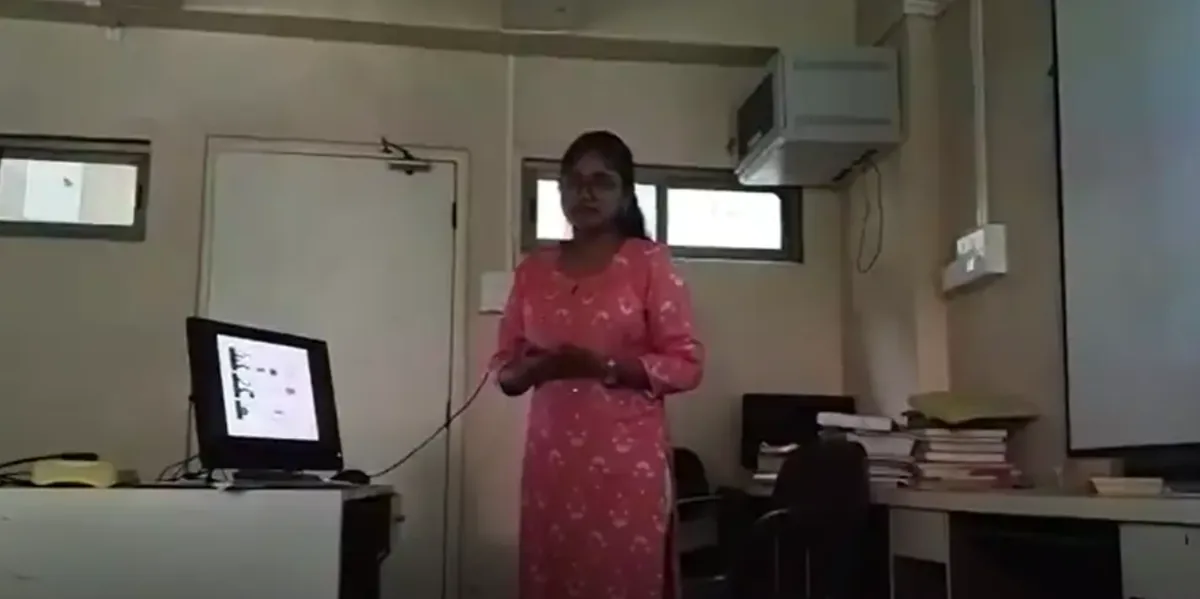 Twice a week
Journal Club
-
Microbus: Microbiology Fest
-
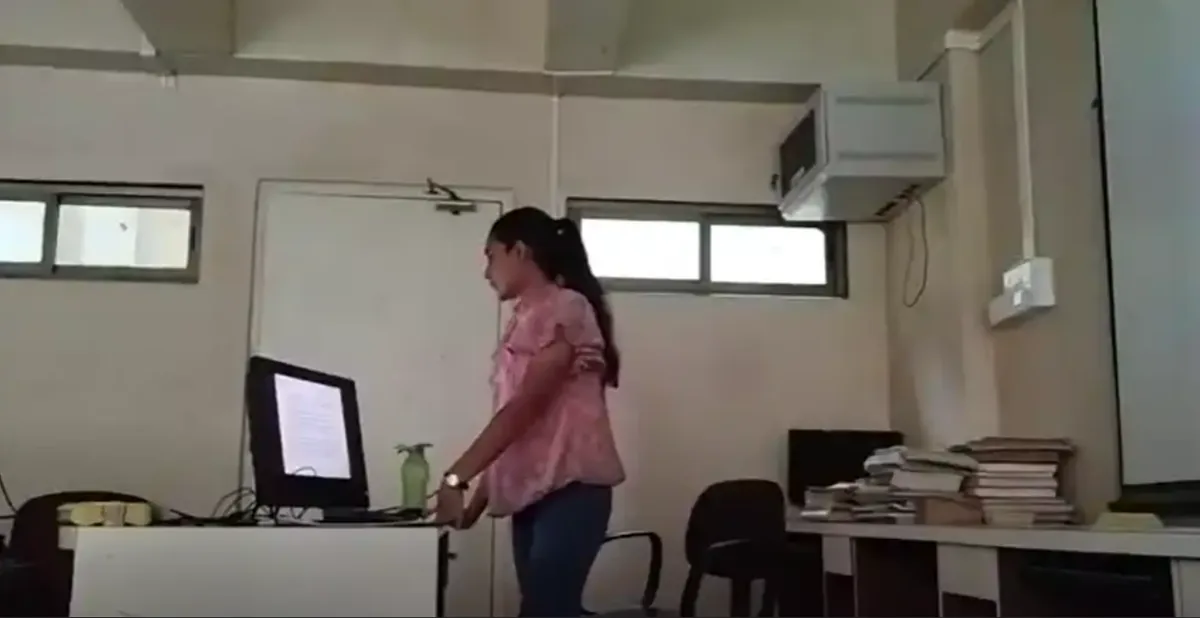
Journal club -
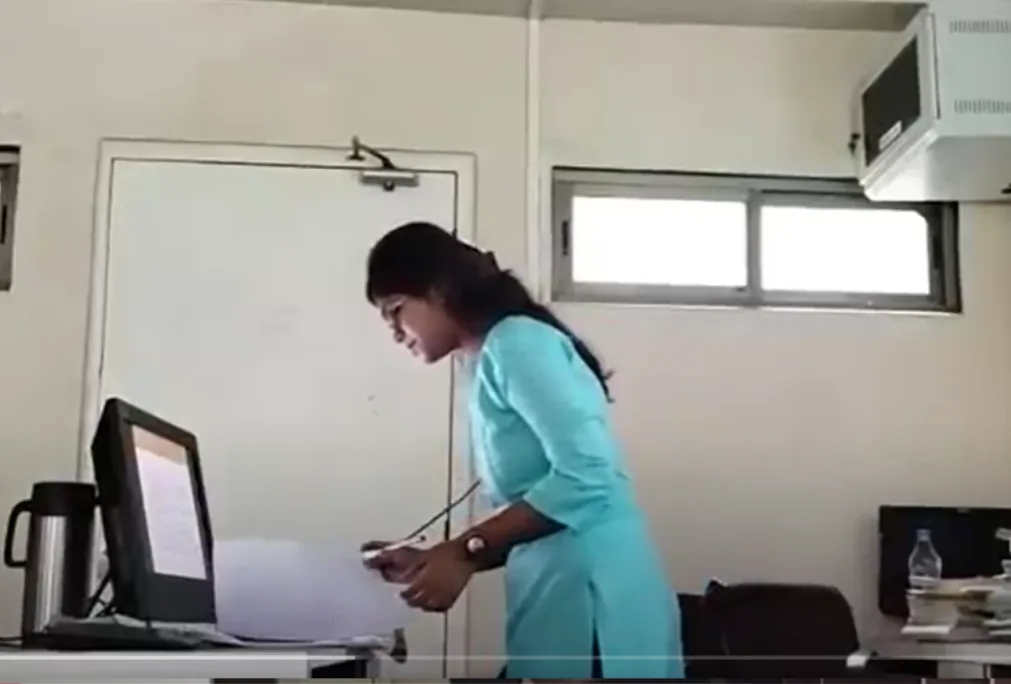
Journal club -
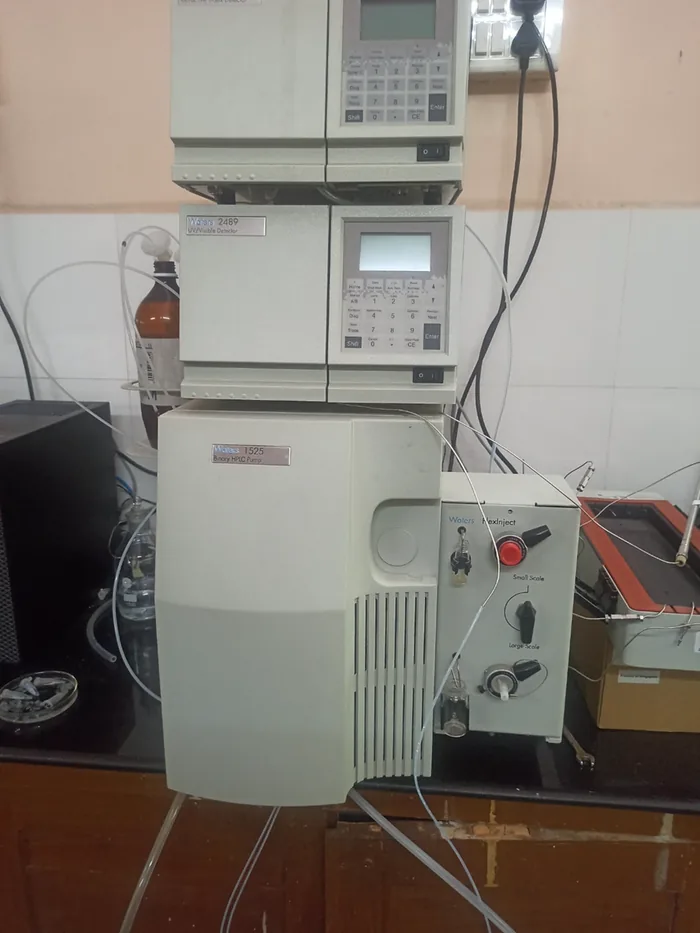
HPLC System with UV-VIS and RI Detector and Fraction Collector
Internships, placements & careers
- Industry Connections: We recommend students to microbiology industries such as pharmaceutical companies, API production companies, the food industry, diagnostic laboratories, and environmental controlling laboratories.
- Resume and Interview Preparation: Guidance in preparing resumes and honing interview skills to enhance job prospects.
- Relevant Credentials: Support in developing significant credentials like dissertation theses, which increase employability and selection chances.
- Internship Opportunities: Assistance in securing internships across various fields, providing practical experience and industry exposure.
Get in touch
Department contact
- Prof. Ulhas K. Patil Professor & Head
- Mr. Rajendra Choure Student Coordinator rajendra.choure@iscm.ac.in 9930316563
Source: Department of Microbiology brochure 2025–26 (13 pages). Brochure details may change; confirm admission rules with the Institute.