

M.Sc. Biotechnology
- Intake
- 20
 Government of Maharashtra
Modern bioscience education focused on biotechnology tools, laboratory methods, and applied research.
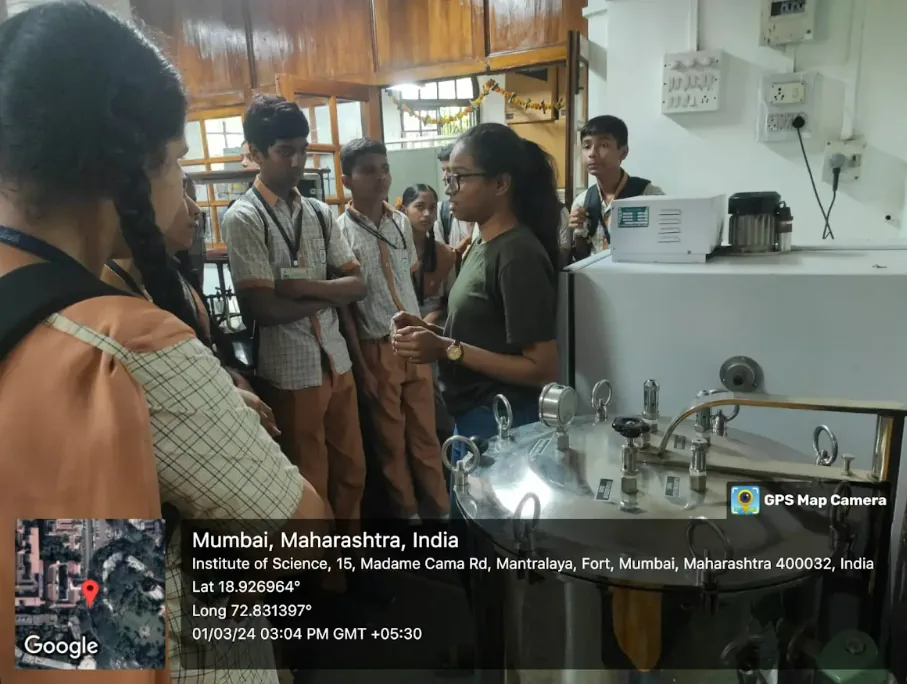
The Department of Biotechnology was established in the academic year 2003–2004 as a self-supporting course with the strength of 20 students each year. Faculty members are competent and actively involved in research. In addition, eminent persons are invited as visiting faculty. The laboratory is well-equipped with instruments.
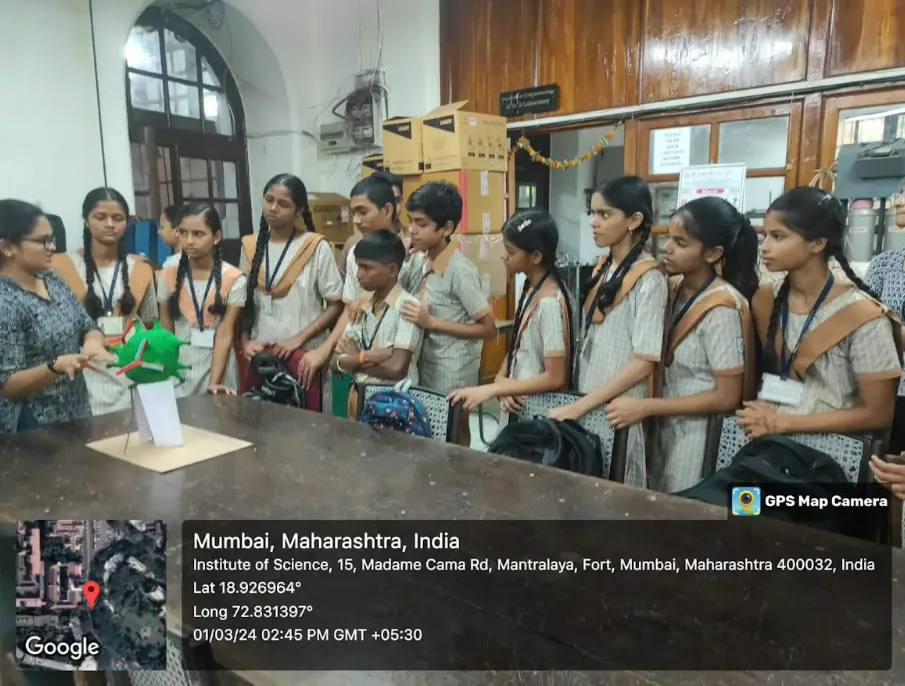
Research/Industrial Training is given to the students from May–July in various Research Institutes like BARC, TIFR, Haffkins, ACTREC, IIT, ICT, and Research Centres of different leading Hospitals. Regular visits of the students are organized to the Industrial and Research Institutes. Training in basic laboratory techniques to cell culture techniques is given to each student.
Research activities have been initiated recently. The students are presenting their work at the Research Scholar Meet. The faculty is actively involved in research activities.
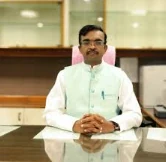
Prof. Ulhas K. Patil is a distinguished microbiologist and academician, currently serving as Professor and Head of the Department of Microbiology and Biotechnology at the Institute of Science, Mumbai, Maharashtra, India.
Previously, he served as Director of the Government Institute of Forensic Science, Chhatrapati Sambhajinagar, and Professor and Head of the Department of Microbiology at the Government Institute of Science, Chhatrapati Sambhajinagar.
Prof. Patil completed his M.Sc. in Microbiology from Kavayitri Bahinabai Chaudhari North Maharashtra University, Jalgaon. He consistently ranked among the top students during his undergraduate and postgraduate studies. He subsequently earned a Ph.D. in Microbiology.
With more than 23 years of teaching experience at undergraduate and postgraduate levels, Prof. Patil has contributed to microbiology education, research, and academic administration.
He is a recognized Ph.D. research guide associated with universities in Maharashtra, including KBC North Maharashtra University, Jalgaon, and Dr. Babasaheb Ambedkar Marathwada University, Chhatrapati Sambhajinagar.
Throughout his academic career, Prof. Patil has held important teaching, research supervision, departmental leadership, and institutional administrative responsibilities.
His professional interests encompass microbiology, biotechnology, scientific research, and higher education.
Prof. Patil describes himself as:
“I am a learner who is learning how students learn!”
This philosophy reflects his emphasis on continuous learning, understanding students' learning processes, and improving educational practices.
As listed in the 2025–26 department brochure. Designations and qualifications appear only where the brochure prints them.
Professor & Head, Department of Microbiology and Biotechnology
Transcribed from the 2025–26 brochure. Totals are calculated from the course rows; where the brochure prints a different figure it is shown beside the total.
| Code | Course | Type | Credits |
|---|---|---|---|
| Semester I | |||
| MSBTDC101T | MSBTDC101T Biochemistry and Metabolism DSC1-1 | Major (mandatory) | 6 (4 + 2) |
| MSBTDC102T | MSBTDC102T Immunology DSC1-2 | Major (mandatory) | 6 (4 + 2) |
| MSBDTE101T | MSBDTE101T Biochemical and Biophysical Techniques DSE1-1 | Major (elective) | 6 (4 + 2) |
| MSBTRM101T | MSBTRM101T Research Methodology Minor | Minor | 4 |
| Semester I total | 22 | ||
| Semester II | |||
| MSBTDC201T | MSBTDC201T Bioprocess Technology DSC1-3 | Major (mandatory) | 6 (4 + 2) |
| MSBTDC202T | MSBTDC202T Molecular Biology DSC1-4 | Major (mandatory) | 6 (4 + 2) |
| MSBTDE201T | MSBTDE201T IPR, Biosafety and GMO DSE1-2 | Major (elective) | 6 (4 + 2) |
| MSBTFP201P / MSBTOJ201P | MSBTFP201P / MSBTOJ201P Field Project / On Job Training OJT/LAB | OJT / Field project | 4 (0 + 4) |
| Semester II total | 22 | ||
| Semester III | |||
| MSBTDC301T | MSBTDC301T PTC & ATC DSC1-5 | Major (mandatory) | 6 (4 + 2) |
| MSBTDC302T | MSBTDC302T Medical Microbiology DSC1-6 | Major (mandatory) | 6 (4 + 2) |
| MSBTDE301T | MSBTDE301T Bioinformatics DSE1-4 | Major (elective) | 6 (4 + 2) |
| MSBTRP301P | MSBTRP301P Research Project RP | Research project | 4 (0 + 4) |
| Semester III total | 22 | ||
| Semester IV | |||
| MSBTDC401T | MSBTDC401T Applied Biotechnology, Genetic Engineering and Developmental Biotechnology DSC1-7 | Major (mandatory) | 6 (4 + 2) |
| MSBTDC402T | MSBTDC402T Biostatistics DSC1-8 | Major (mandatory) | 4 |
| MSBTDE401T | MSBTDE401T Nanotechnology DSE1-6 | Major (elective) | 6 (4 + 2) |
| MSBTRP402P | MSBTRP402P Research Project RP/LAB | Research project | 6 (0 + 6) |
| Semester IV total | 22 | ||
| Programme total | 88 | ||
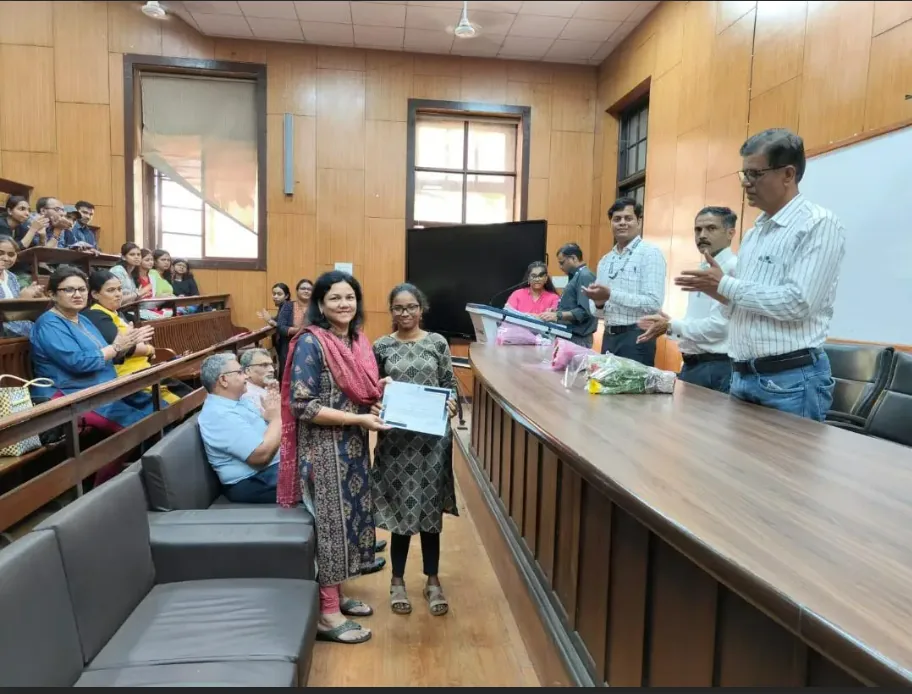
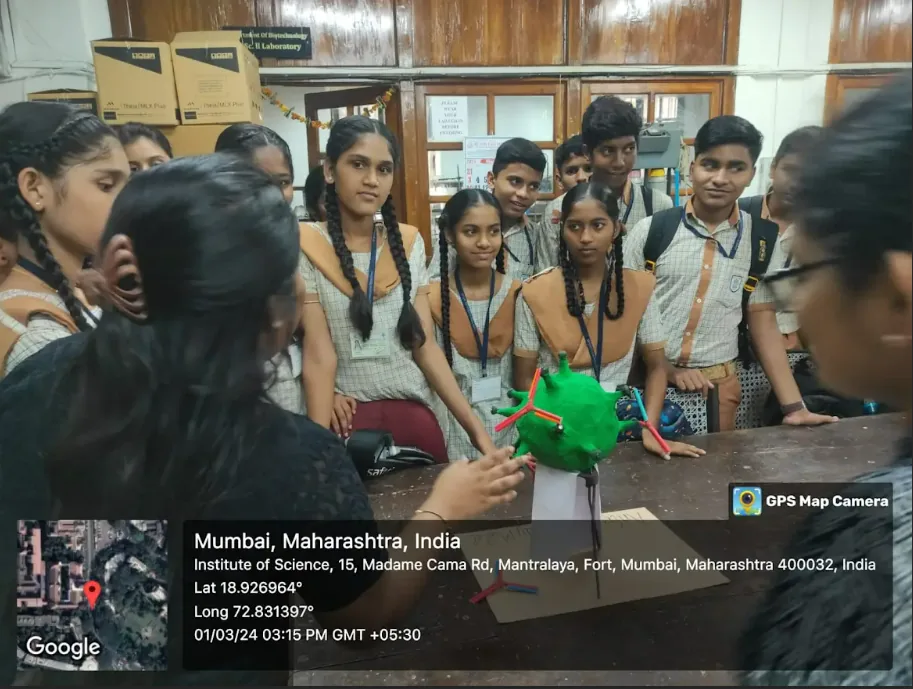
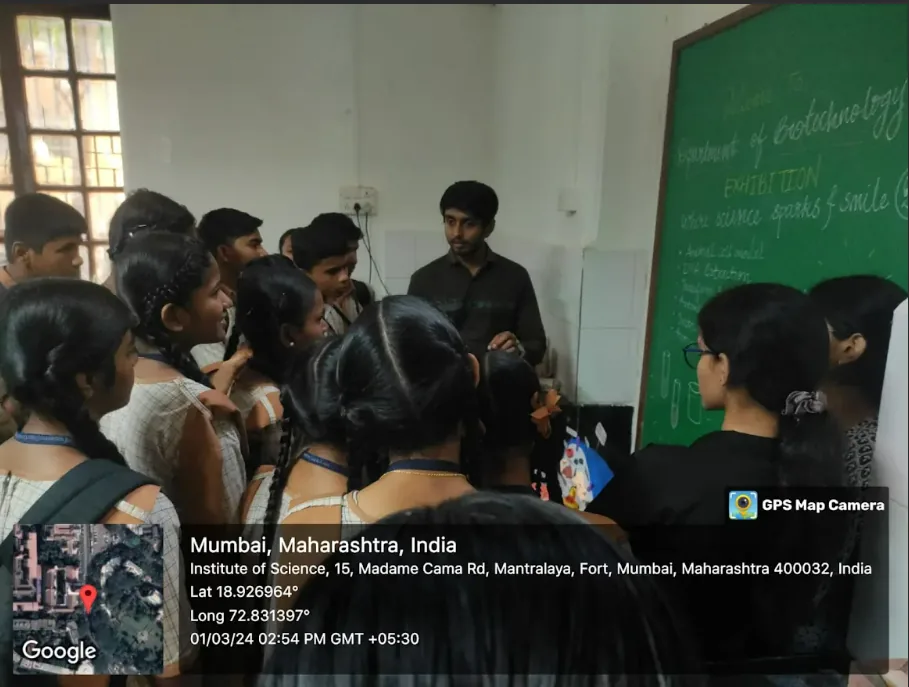
Department organizes Bionics.
Source: Department of Biotechnology brochure 2025–26 (12 pages). Brochure details may change; confirm admission rules with the Institute.