

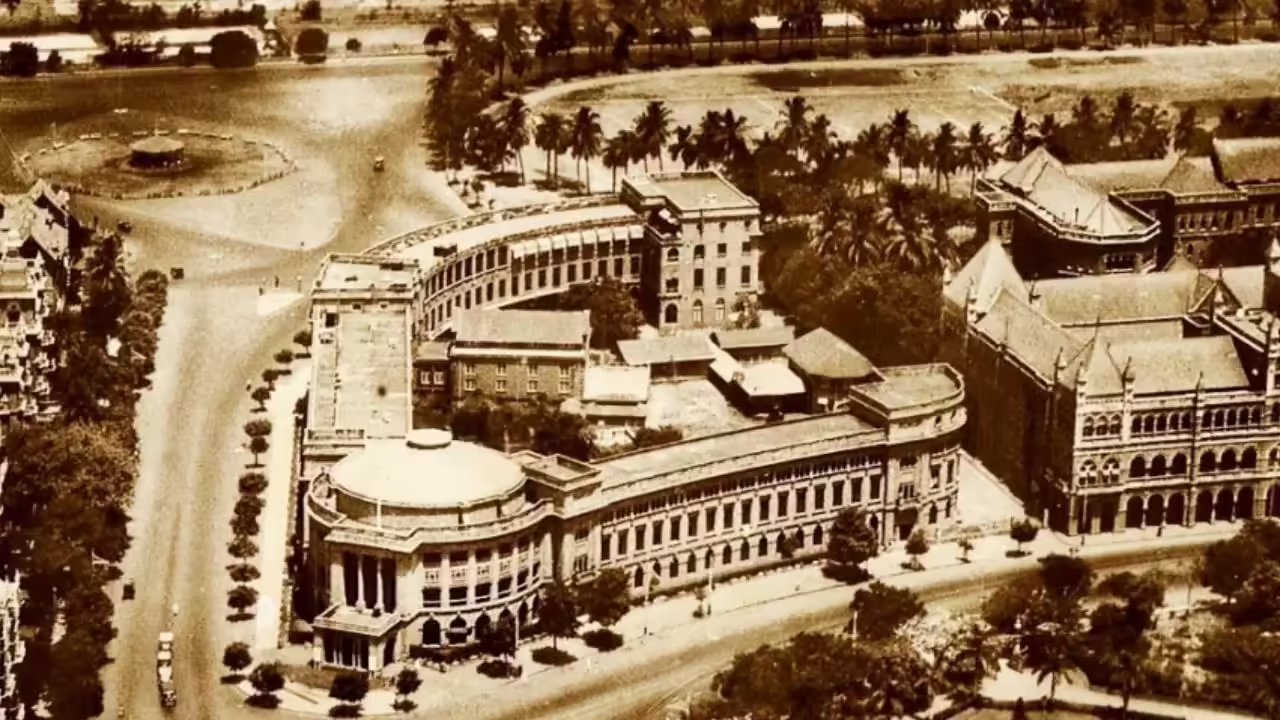
Established as RIS (Royal Institute of Science)
The Institute was established in Mumbai's Fort district with the vision of creating a premier centre for scientific education and research in India.
A century-long journey of scientific excellence, innovation, and academic leadership in the heart of Mumbai.
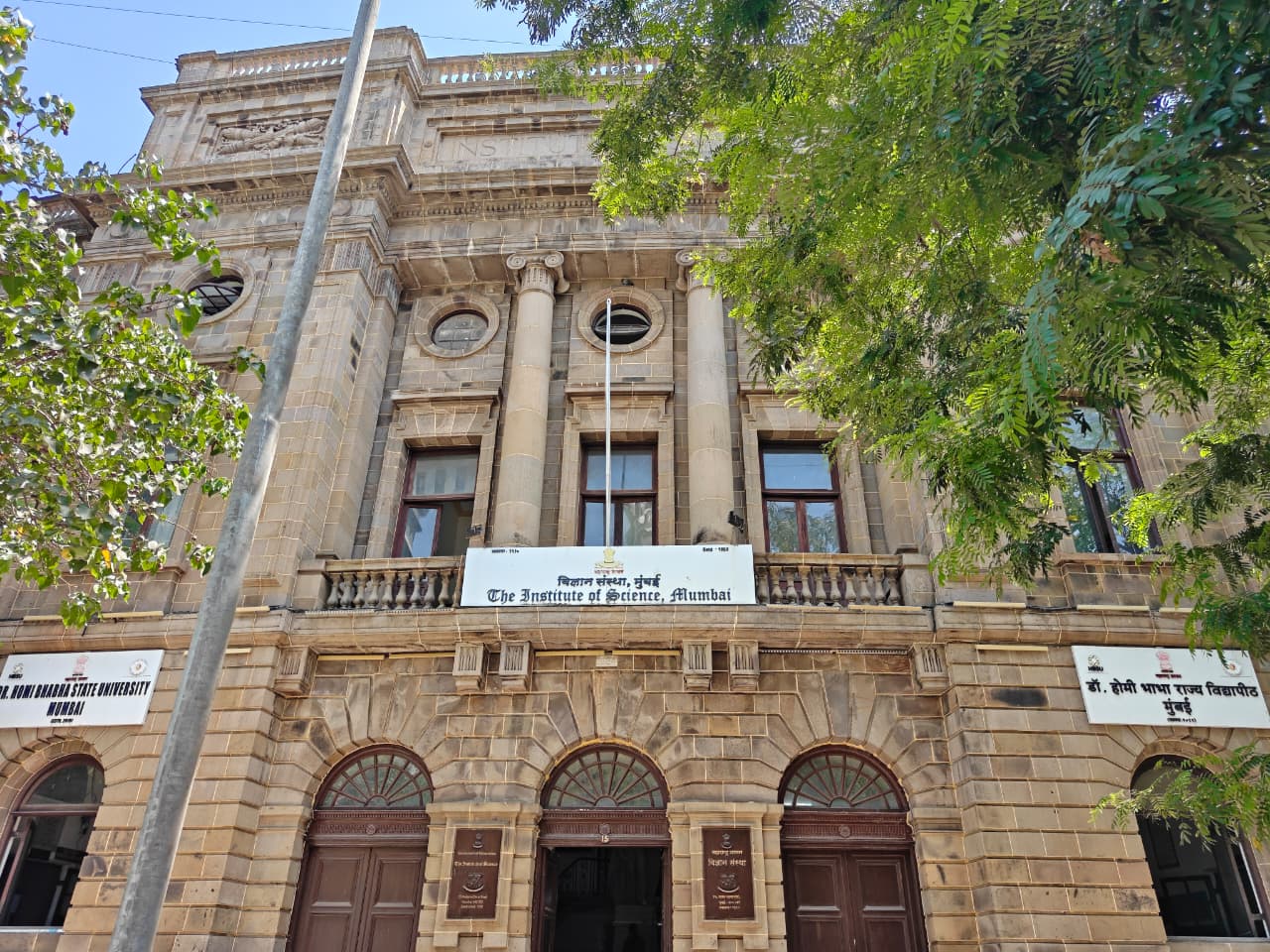
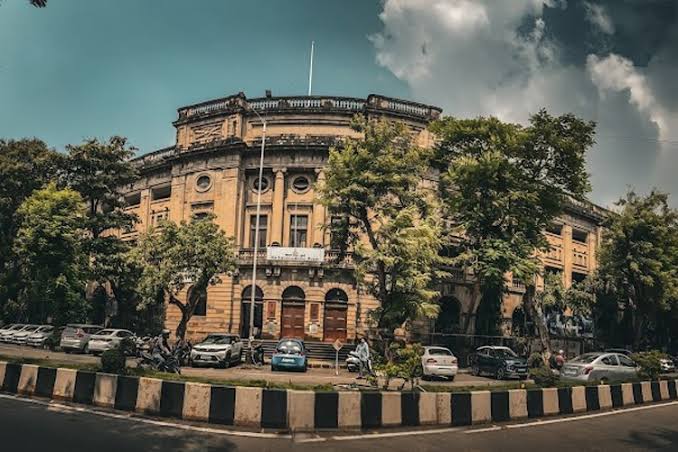
Originally established in 1920 under the Royal Charter as the Royal Institute of Science, the Institute of Science, Mumbai stands as a beacon of academic excellence in the heart of India's commercial capital.
Reaccredited with Grade 'A' by NAAC in 2014, it serves as the lead institute within Dr. Homi Bhabha State University.
Today, the Institute houses ten distinguished departments spanning scientific disciplines and secures support from bodies such as the UGC, DST, and Government of Maharashtra.
Key milestones that shaped the Institute into a leading centre of scientific learning.
The Institute was established in Mumbai's Fort district with the vision of creating a premier centre for scientific education and research in India.
The Institute expanded its academic programmes and research capabilities, establishing itself as a leading educational institution in the region.
Following India's independence, the Institute adapted to new educational policies and broadened its research focus.
Facilities and programmes were modernized to keep pace with advancing scientific fields and technological developments.
The Institute embraced digital libraries, online resources, and computer-aided research methodologies.
Infrastructure and learning resources that support advanced teaching, research, and academic development.
Substantial infrastructure grants from UGC, DST, and Government of Maharashtra support academic advancement.
The library was described as one of Mumbai's premier academic libraries with 26,000 books, 75,000 e-books, and access to 3,000 journals.
State-of-the-art laboratories with sophisticated instruments including NMR, HPLC, GC-MS, XRD, and PCR were highlighted.
Multimedia and internet-enabled learning resources support research and access to digital academic collections.
High-tech classrooms with projectors, ICT facilities, and contemporary teaching aids feature in the campus profile.
Botanical garden access, gymkhana support, and indoor recreation were positioned as part of a complete academic environment.