

State Emblem of India Government of Maharashtra
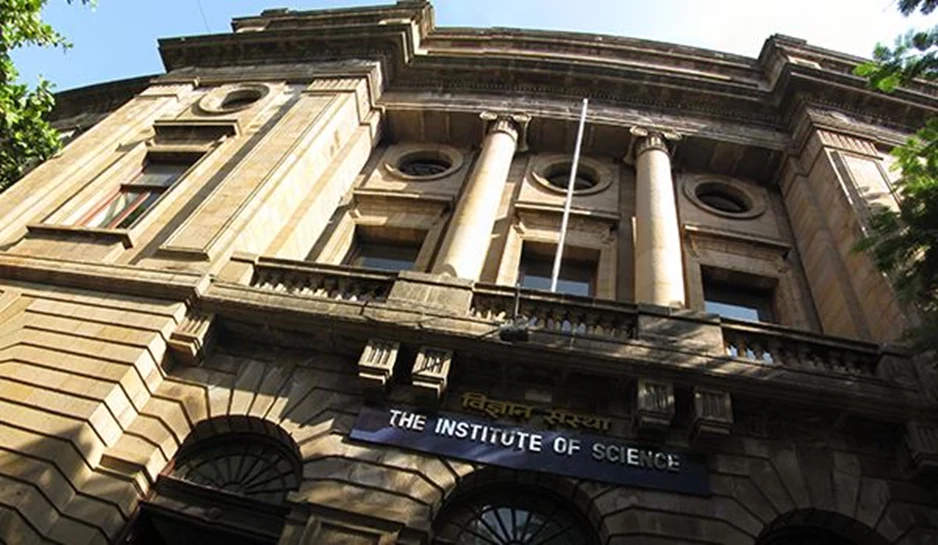
The Institute of Science crest The Institute of Science, Mumbai Est. 1920 · Constituent institute of Dr. Homi Bhabha State University · NAAC Grade 'A' Constituent of
Dr. Homi Bhabha State University
Dr. Homi Bhabha State University logo
Latest All notices →
Department · Molecular science and chemical innovation

Department of Chemistry

The Department of Chemistry advances chemical knowledge through research in organic, inorganic, physical, and analytical chemistry.

Faculty listed
11
Programmes
2
M.Sc. credits
88
M.Sc. intake
80
About the department

About Chemistry

The Department of Chemistry is the largest department in the Institute. The Department has lions share in all-round academic and research activities of the Institute.

The first Principal of the Institute, Dr. C. J. J. Fox, was a Professor of Chemistry. Since then, the Institute has been very fortunate to have in its years a number of brilliant teachers and researchers in chemistry, viz. Dr. A. N. Meldrum, Dr. T. S. Wheeler, Dr. J. R. Merchant, Prof. B. C. Haldar, Prof. V. S. Dashane, Prof. Shinde, Prof. M. M. Salunkhe and so on.

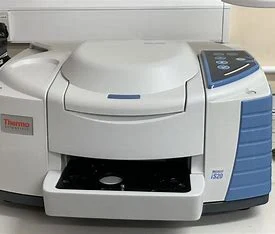
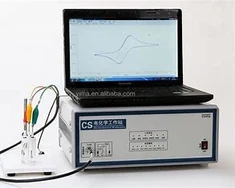
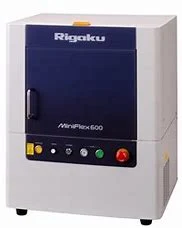
The Department has spacious laboratories and is well equipped with sophisticated instruments required for day-to-day teaching as well as research. Over the years, the department has hosted a number of conferences, symposia, seminars, workshops and lectures by eminent scientists on various frontier themes.

The Department has research projects funded by national agencies like UGC, DST and RGSTC.

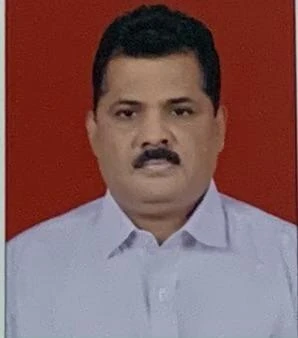
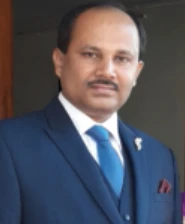
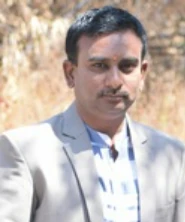
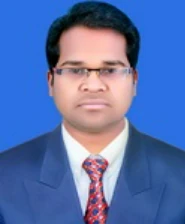
Portrait of Prof. Yuvraj S. Malghe
Prof. Yuvraj S. Malghe Professor & Head
From the Head of Department

Message from the Head

  • Ex-Joint Director of Higher Education, Mumbai Region
  • Ex-Registrar, HBSU, Mumbai

Department of Chemistry is one of the largest and oldest department in the Institute. Department is having four specializations i.e. Physical Chemistry, Inorganic Chemistry, Organic Chemistry and Analytical Chemistry. Intake capacity of Department for M.Sc. course is 80. The Department today boasts of 146 students (by papers) and 53 students are engaged in research for their doctoral degrees.

The performance of the students at the university examination has always been outstanding every year and research students are contributing well to the wealth of scientific knowledge by their discoveries in various fields. The research findings are regularly published in national and international journals of repute and presented at various conferences in India and abroad.

Also, department having research projects which were funded by national agencies like UGC, DST, RGSTC etc.

People

Faculty

As listed in the 2025–26 department brochure. Designations and qualifications appear only where the brochure prints them.

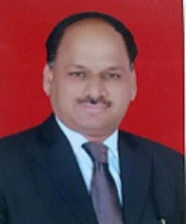
  • Portrait of Prof. Yuvraj S. Malghe

    Prof. Yuvraj S. Malghe

    Professor & Head

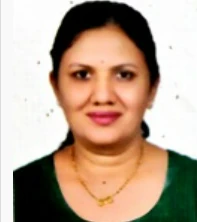
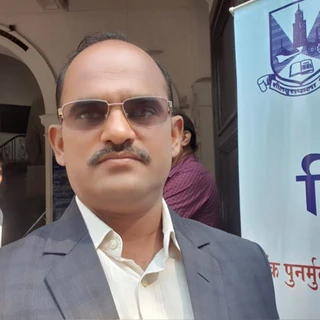
  • Portrait of Prof. Raju Maruti Patil

    Prof. Raju Maruti Patil

    Professor

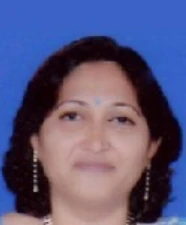
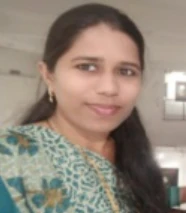
  • Portrait of Prof. Mrs. Gayatri Rajendra Barabde

    Prof. Mrs. Gayatri Rajendra Barabde

    Professor

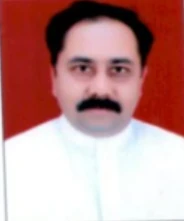
  • Portrait of Dr. Ravibabu Ambadas Tayde

    Dr. Ravibabu Ambadas Tayde

    Associate Professor

  • Portrait of Prof. Mrs. Ratnamala P. Sonawane

    Prof. Mrs. Ratnamala P. Sonawane

    Professor

  • Portrait of Dr. Vishal Wamanarao Banewar

    Dr. Vishal Wamanarao Banewar

    banewar@iscm.ac.in

    9421743003

  • Portrait of Dr. Bhimrao M. Patil

    Dr. Bhimrao M. Patil

  • Portrait of Dr. Sahebrao B. Kashid

    Dr. Sahebrao B. Kashid

  • Portrait of Mrs. Swati Dinkar Vilhekar

    Mrs. Swati Dinkar Vilhekar

  • Portrait of Dr. Mrs. Shubhangi Prakash Patil

    Dr. Mrs. Shubhangi Prakash Patil

    shubhangi.patil@iscm.ac.in

    9004941343

  • Portrait of Dr. Vikas M. Bangade

    Dr. Vikas M. Bangade

Study

Programmes & eligibility

M.Sc. Chemistry

Duration
Two years (four semesters, 88 credits)
Intake
80 (20 per specialisation)
  • Physical Chemistry
  • Inorganic Chemistry
  • Organic Chemistry
  • Analytical Chemistry

M.Sc. Chemistry with specializations available in Inorganic, Physical, Organic and Analytical Chemistry. Exit option: PG Diploma in Discipline after one year with 44 credits.

Fees, seats and details →
Ph.D. Chemistry

  • Physical Chemistry
  • Inorganic Chemistry
  • Organic Chemistry
  • Analytical Chemistry

Ph.D. programmes in all specializations.

Fees, seats and details →

Eligibility

  • B.Sc. with Chemistry / equivalent diploma.
  • Admission will be purely on merit basis following all reservation and other rules as per Government of Maharashtra.
  • Intake capacity for each specialization is 20 (total M.Sc. intake 80).
NEP 2020

Curriculum & credit distribution

Transcribed from the 2025–26 brochure. Totals are calculated from the course rows; where the brochure prints a different figure it is shown beside the total.

M.Sc. Chemistry — Physical Chemistry 88 credits
M.Sc. Chemistry — Physical Chemistry Department of Chemistry · brochure 2025–26 · pages 9, 10
Code Course Type Credits
Semester I NEP level 6.0
DSC1-1 DSC1-1 Physical Chemistry Major (mandatory) 6 (4 + 2)
DSC1-2 DSC1-2 Inorganic Chemistry Major (mandatory) 6 (4 + 2)
— Major elective (choose one) Choose one:
  • Organic Chemistry
  • Analytical Chemistry
Major (elective) 6 (4 + 2)
— Research Methodology Minor 4
Semester I total 22
Semester II NEP level 6.0
DSC1-1 DSC1-1 Physical Chemistry Major (mandatory) 6 (4 + 2)
DSC1-2 DSC1-2 Inorganic Chemistry Major (mandatory) 6 (4 + 2)
— Major elective (choose one) Choose one:
  • Organic Chemistry
  • Analytical Chemistry
Major (elective) 6 (4 + 2)
— OJT/FP On-job training / field project OJT / Field project 4
Semester II total 22
Semester III NEP level 6.5
DSC1-5 DSC1-5 Atomic and Molecular Structure and Spectroscopy Major (mandatory) 6 (4 + 2)
DSC1-6 DSC1-6 Statistical and Irreversible Thermodynamics Major (mandatory) 6 (4 + 2)
DSE1-3 DSE1-3 Major elective (choose one) Choose one:
  • Advanced Instrumental Techniques I
  • Polymer Chemistry
Major (elective) 6 (4 + 2)
— RP Research project Research project 4
Semester III total 22
Semester IV NEP level 6.5
DSC1-7 DSC1-7 Symmetry and Spectroscopy Major (mandatory) 6 (4 + 2)
DSC1-8 DSC1-8 Solid State and Nano chemistry Major (mandatory) 4
DSE1-4 DSE1-4 Major elective (choose one) Choose one:
  • Advanced Instrumental Techniques II
  • Surface and Electrochemistry
Major (elective) 6 (4 + 2)
— RP Research project Research project 6
Semester IV total 22
Programme total 88

Exit option: Award of PG Diploma in Discipline with 44 credits OR Continue with Discipline.

  • Two-year PG Degree in Discipline with 88 Credits.
M.Sc. Chemistry — Inorganic Chemistry 88 credits
M.Sc. Chemistry — Inorganic Chemistry Department of Chemistry · brochure 2025–26 · pages 9, 11
Code Course Type Credits
Semester I NEP level 6.0
DSC1-1 DSC1-1 Inorganic Chemistry Major (mandatory) 6 (4 + 2)
DSC1-2 DSC1-2 Physical Chemistry Major (mandatory) 6 (4 + 2)
— Major elective (choose one) Choose one:
  • Organic Chemistry
  • Analytical Chemistry
Major (elective) 6 (4 + 2)
— Research Methodology Minor 4
Semester I total 22
Semester II NEP level 6.0
DSC1-1 DSC1-1 Inorganic Chemistry Major (mandatory) 6 (4 + 2)
DSC1-2 DSC1-2 Physical Chemistry Major (mandatory) 6 (4 + 2)
— Major elective (choose one) Choose one:
  • Organic Chemistry
  • Analytical Chemistry
Major (elective) 6 (4 + 2)
— OJT/FP On-job training / field project OJT / Field project 4
Semester II total 22
Semester III NEP level 6.5
DSC1-5 DSC1-5 Chemistry of Inorganic Solids Major (mandatory) 6 (4 + 2)
DSC1-6 DSC1-6 Spectral methods in Inorganic Chemistry Major (mandatory) 6 (4 + 2)
DSE1-3 DSE1-3 Major elective (choose one) Choose one:
  • Coordination and Bioinorganic chemistry
  • Inorganic Materials
Major (elective) 6 (4 + 2)
— RP Research project Research project 4
Semester III total 22
Semester IV NEP level 6.5
DSC1-7 DSC1-7 Properties of Inorganic Solids and Applications of Group Theory Major (mandatory) 6 (4 + 2)
DSC1-8 DSC1-8 Instrumental methods in Inorganic Chemistry Major (mandatory) 4
DSE1-4 DSE1-4 Major elective (choose one) Choose one:
  • Properties of Organometallics and main group chemistry I
  • Applied Inorganic Chemistry
Major (elective) 6 (4 + 2)
— RP Research project Research project 6
Semester IV total 22
Programme total 88

Exit option: Award of PG Diploma in Discipline with 44 credits OR Continue with Discipline.

  • Two-year PG Degree in Discipline with 88 Credits.
M.Sc. Chemistry — Organic Chemistry 88 credits
M.Sc. Chemistry — Organic Chemistry Department of Chemistry · brochure 2025–26 · pages 9, 10, 11
Code Course Type Credits
Semester I NEP level 6.0
DSC1-1 DSC1-1 Organic Chemistry Major (mandatory) 6 (4 + 2)
DSC1-2 DSC1-2 Analytical Chemistry Major (mandatory) 6 (4 + 2)
— Major elective (choose one) Choose one:
  • Physical Chemistry
  • Inorganic Chemistry
Major (elective) 6 (4 + 2)
— Research Methodology Minor 4
Semester I total 22
Semester II NEP level 6.0
DSC1-1 DSC1-1 Organic Chemistry Major (mandatory) 6 (4 + 2)
DSC1-2 DSC1-2 Analytical Chemistry Major (mandatory) 6 (4 + 2)
— Major elective (choose one) Choose one:
  • Physical Chemistry
  • Inorganic Chemistry
Major (elective) 6 (4 + 2)
— OJT/FP On-job training / field project OJT / Field project 4
Semester II total 22
Semester III NEP level 6.5
DSC1-5 DSC1-5 Organic Spectroscopy Major (mandatory) 6 (4 + 2)
DSC1-6 DSC1-6 Synthetic Organic Chemistry I Major (mandatory) 6 (4 + 2)
DSE1-3 DSE1-3 Major elective (choose one) Choose one:
  • Natural Products
  • Stereochemistry of organic compounds
  • Heterocyclic and Medicinal Chemistry
Major (elective) 6 (4 + 2)
— RP Research project Research project 4
Semester III total 22
Semester IV NEP level 6.5
DSC1-7 DSC1-7 Advanced Organic Spectroscopy Major (mandatory) 6 (4 + 2)
DSC1-8 DSC1-8 Synthetic Organic Chemistry II Major (mandatory) 4
DSE1-4 DSE1-4 Major elective (choose one) Choose one:
  • Photochemistry and pericyclic reactions
  • Bioorganic Chemistry
  • Polymer Chemistry
Major (elective) 6 (4 + 2)
— RP Research project Research project 6
Semester IV total 22
Programme total 88

Exit option: Award of PG Diploma in Discipline with 44 credits OR Continue with Discipline.

  • Two-year PG Degree in Discipline with 88 Credits.
M.Sc. Chemistry — Analytical Chemistry 88 credits
M.Sc. Chemistry — Analytical Chemistry Department of Chemistry · brochure 2025–26 · pages 10, 12
Code Course Type Credits
Semester I NEP level 6.0
DSC1-1 DSC1-1 Analytical Chemistry Major (mandatory) 6 (4 + 2)
DSC-2 DSC-2 Organic Chemistry Major (mandatory) 6 (4 + 2)
— Major elective (choose one) Choose one:
  • Physical Chemistry
  • Inorganic Chemistry
Major (elective) 6 (4 + 2)
— Research Methodology Minor 4
Semester I total 22
Semester II NEP level 6.0
DSC1-1 DSC1-1 Analytical Chemistry Major (mandatory) 6 (4 + 2)
DSC-2 DSC-2 Organic Chemistry Major (mandatory) 6 (4 + 2)
— Major elective (choose one) Choose one:
  • Physical Chemistry
  • Inorganic Chemistry
Major (elective) 6 (4 + 2)
— OJT/FP On-job training / field project OJT / Field project 4
Semester II total 22
Semester III NEP level 6.5
DSC1-5 DSC1-5 Quality Aspects in Analytical Chemistry I Major (mandatory) 6 (4 + 2)
DSC1-6 DSC1-6 Advanced Instrumental Techniques I Major (mandatory) 6 (4 + 2)
DSE1-3 DSE1-3 Major elective (choose one) Choose one:
  • Environmental and Certain Industrially Important Materials
  • Pharmaceutical and Organic Analysis
Major (elective) 6 (4 + 2)
— RP Research project Research project 4
Semester III total 22
Semester IV NEP level 6.5
DSC1-7 DSC1-7 Quality Aspects in Analytical Chemistry II Major (mandatory) 6 (4 + 2)
DSC1-8 DSC1-8 Advanced Instrumental Techniques II Major (mandatory) 4
DSE1-4 DSE1-4 Major elective (choose one) Choose one:
  • Forensic analytical chemistry
  • Clinical and Consumer Product Analysis
Major (elective) 6 (4 + 2)
— RP Research project Research project 6
Semester IV total 22
Programme total 88

Exit option: Award of PG Diploma in Discipline with 44 credits OR Continue with Discipline.

  • Two-year PG Degree in Discipline with 88 Credits.
Facilities

Instrumentation

  • HPLC
  • UV-Visible and UV-Visible near-IR spectrophotometers
  • Fluorescence and FT-IR spectrophotometers
  • Electrochemical workstation
  • Semiconductor parameter analyzer
  • X-ray diffraction (XRD)
  • TGA / DTA
  • Impedance analyser
  • Microwave synthesis system
  • Rotary evaporators
  • High-temperature furnace
Governance

Board of Studies

  • Prof. Y. S. Malghe Professor and Head, Department of Chemistry, The Institute of Science, Mumbai
  • Dr. R. M. Patil Professor, Department of Chemistry, The Institute of Science, Mumbai
  • Dr. Mrs. G. R. Barabde Professor, Department of Chemistry, The Institute of Science, Mumbai
  • Dr. Mrs. V. M. Kamble Professor, Institute of Forensic Science, Mumbai
  • Dr. R. A. Tayade Associate Professor, Department of Chemistry, The Institute of Science, Mumbai
  • Dr. Mrs. R. P. Sonawane Professor, Department of Chemistry, The Institute of Science, Mumbai
  • Dr. Mrs. S. R. Ambadekar Professor, I. Y. College, Jogeshwari, Mumbai
  • Mr. Bharat Rout Head, Department of Chemistry, Elphinstone College, Mumbai
  • Prof. S. S. Garje Department of Chemistry, University of Mumbai
  • Dr. Vivek Polshettiwar Associate Professor ‘G’, Department of Chemical Sciences, TIFR, Mumbai
  • Dr. S. R. Dharwadkar Retired Scientist H, BARC, Mumbai
  • Anil Nimkar Quality Management & Analytics Director, Natura Yuva AG
  • Dr. Ajit Datar Consultant, Shimadzu
Department life

Events, activities & careers

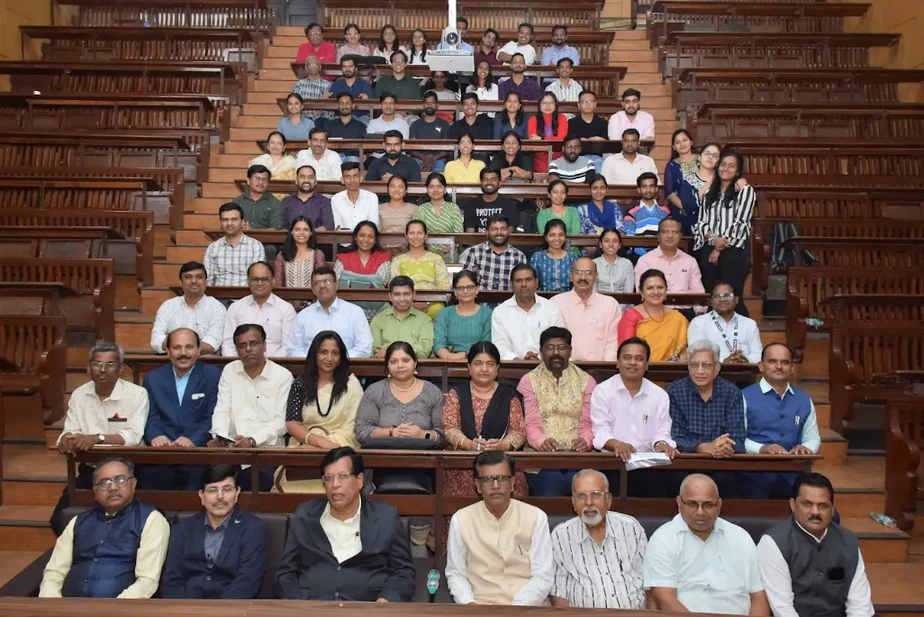
  • Participants at the Research Scholars Meet featured in the department brochure
    23–24 February 2024

    35th Research Scholars Meet (RSM-2024)

    Organized by the Indian Chemical Society’s Mumbai Branch in association with The Institute of Science, Dr. Homi Bhabha State University, Mumbai, RSM-2024 gave research scholars a platform to present their work through oral or poster presentations, exchange ideas and foster collaboration.

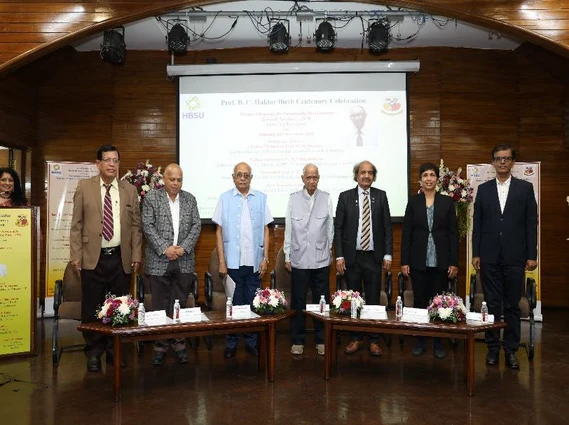
  • Speakers and guests at the Prof. B. C. Haldar birth centenary celebration
    23 December 2023

    Prof. B. C. Haldar Birth Centenary Celebration

    A one-day tributes and conference on ‘Chemistry for Sustainable Development Towards Net Zero …2070’, organized by the Department at the National Gallery of Modern Art (NGMA), Mumbai. Talks covered hydrogen for net zero, R & D and intellectual property rights, inorganic chemistry at the crossroads of catalysis and materials science, and nuclear analytical chemistry; 150 delegates attended.

Internships, placements & careers

  • Department provides internships to M.Sc. students in various research laboratories and industries nearby Mumbai.
  • Institute is having a placement cell; the department conducts placement drives through the placement cell.
  • Students of the department are placed in various chemical and pharmaceutical industries.
  • Students are also absorbed in various research institutes and academia.
Get in touch

Department contact

Source: Department of Chemistry brochure 2025–26 (17 pages). Brochure details may change; confirm admission rules with the Institute.