

M.Sc. (Botany)
- Duration
- Two years (four semesters)
- Intake
- 20
- Plant Physiology and Biochemistry
- Molecular Biology and Plant Biotechnology
- Environmental Botany
 Government of Maharashtra
Advancing the frontiers of botany through research in plant physiology, ecology, and molecular biology.
Since its inception in 1923, the Botany Department has boasted a roster of esteemed botanists who have left indelible marks on the field. Notably, luminaries like Professors L. A. Ajrekar, R. H. Dastur, F. R. Bharucha, Mrs. E. Gonzalves, V. R. Dnyansagar, Dr. V. D. Tilak, and Mrs. S. Chitaley, have graced its faculty over the years.
Prof. F. R. Bharucha, who also served as the Director of The Institute of Science, garnered global acclaim for his groundbreaking research in grassland and desert ecology. His leadership extended to roles such as President of the Indian Ecological Society and Vice President of the International Botanical Congress. UNESCO entrusted him with the task of compiling a report on ecological research, while his expertise was sought after by the University of Syria and the United Nations.
Meanwhile, Prof. V. R. Dnyansagar's expertise as a cytogeneticist earned him international recognition, and Prof. Mrs. Chitale pioneered the widely adopted Chitale method for preserving plant material as a distinguished paleobotanist. Dr. V. D. Tilak's pioneering work in floral and nodal anatomy has been referenced by renowned botanists Arthur Cronquist and Armen Thakhtajan, further solidifying the department's legacy.
Additionally, Prof. S. B. Chaphekar's contributions to ecology and Dr. K. V. Hipalgaonkar's expertise in plant physiology have further enriched the department's scholarly endeavors, cementing its position as a hub of botanical excellence.
The Botany Department, led by Prof. Aparna A. Saraf, fosters active research within each faculty member's area of expertise. Ph.D. programs in the department encompass a broad spectrum of research interests, including Phytochemistry, Nanotechnology, and Environmental Botany.
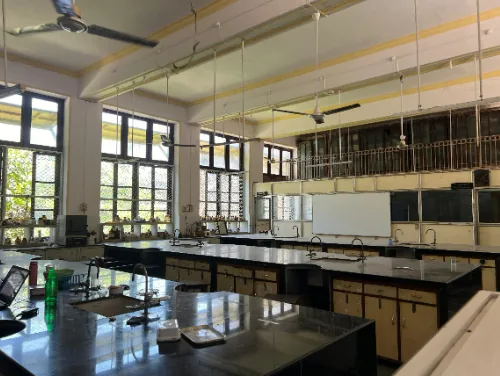
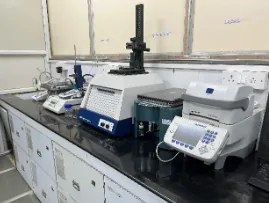
The Department is well-equipped with state-of-the-art instrumentation. It offers specializations in Plant Physiology and Biochemistry, Molecular Biology and Plant Biotechnology, and Environmental Botany.
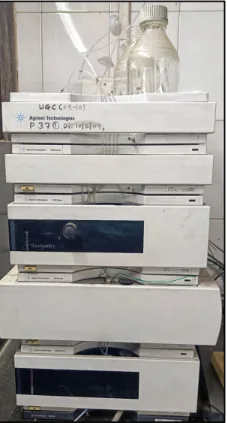
Instruments such as HPLC, HPTLC, PCR, Inverted Microscopes, Microphotograph facilities, Nanoparticle Tracking Analyzers (NTA), Multiple Solvent Extractor Units, Guava Cell Counters, UV Visible Spectrometry for solid and liquid samples, Lyophilizers, and Bioreactors, supports innovative research initiatives.
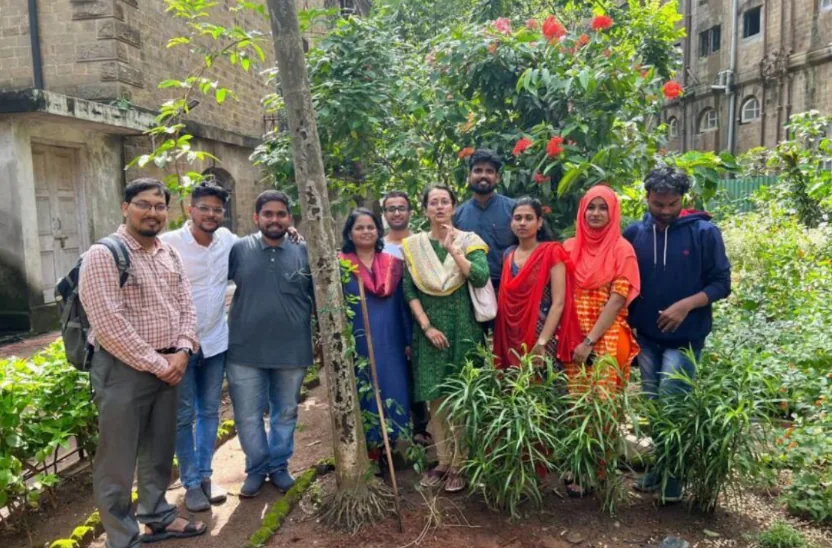
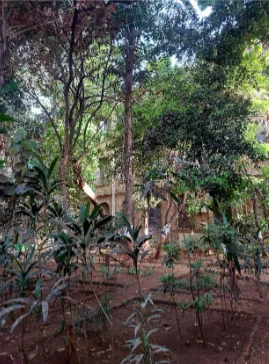
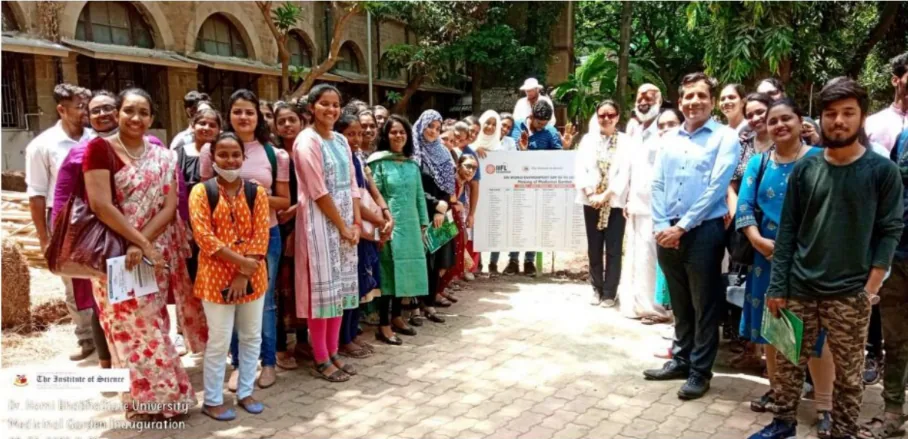
Complementing these facilities are the Plant Tissue Culture laboratory, Greenhouse, and specialized Cell Inoculation Chambers. The department's 1.6-acre Botanical Garden hosts a diverse array of rare plants, spices, and medicinal flora, while its collection of historic Herbariums adds depth to its academic resources.
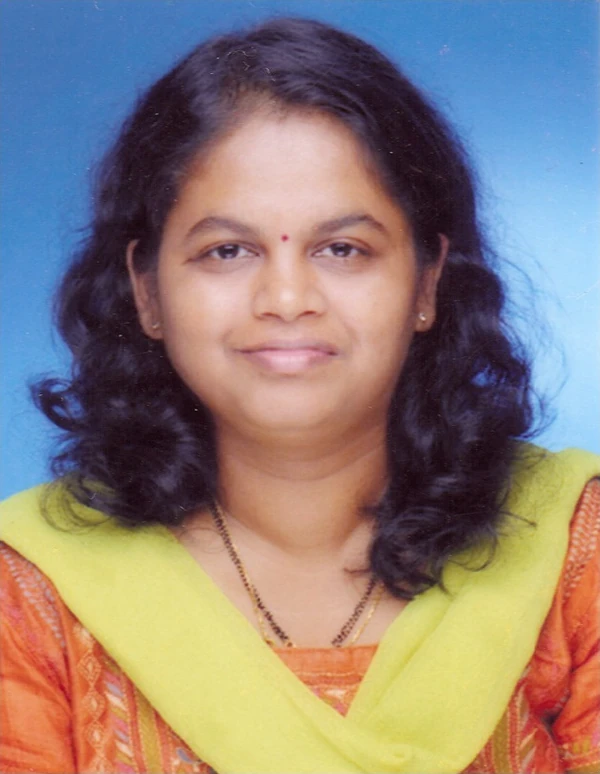
It is my pleasure to welcome you to the Botany Department at The Institute of Science, Mumbai. As the Head of the Department, I am honoured to lead a team of dedicated faculty members and students who are passionate about exploring the wonders of the plant science. Our department is equipped with state-of-the-art instrumentation facilities for providing an ideal environment for cutting-edge research and academic pursuits. With specializations in Plant Physiology and Biochemistry, Molecular Biology and Plant Biotechnology, and Environmental Botany, we offer a diverse range of opportunities for students to delve into their areas of interest.
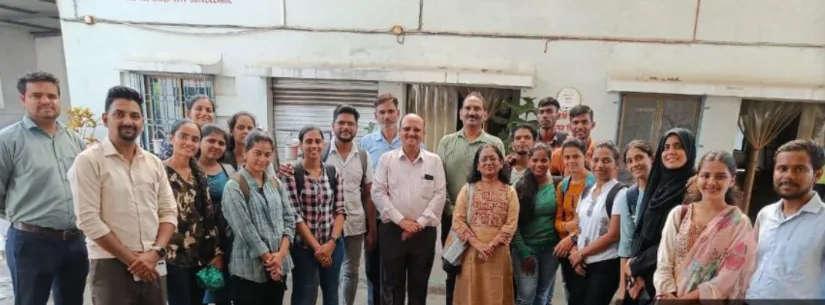
The Botany Department, designed to accommodate 20 postgraduate students, is currently nurturing a vibrant community of 23 doctoral candidates, fostering an environment rich in academic exploration and collaboration. M.Sc. Part I students are engaged in a dynamic internship program, collaborating closely with industry partners and esteemed research institutions to gain invaluable hands-on experience and real-world insights.
At the Botany Department, we are committed to fostering a culture of research excellence. Our faculty members are actively engaged in research activities, focusing on areas such as Phytochemistry, Nanotechnology, and Environmental Botany. Through our Ph.D. programs, we aim to nurture the next generation of leaders in botanical science. Furthermore, our department boasts a Botanical Garden, housing rare plants, spices, and medicinal flora, providing a living laboratory for our students to explore and learn from nature firsthand. Additionally, our collection of old herbariums serves as a valuable resource for academic study and research.
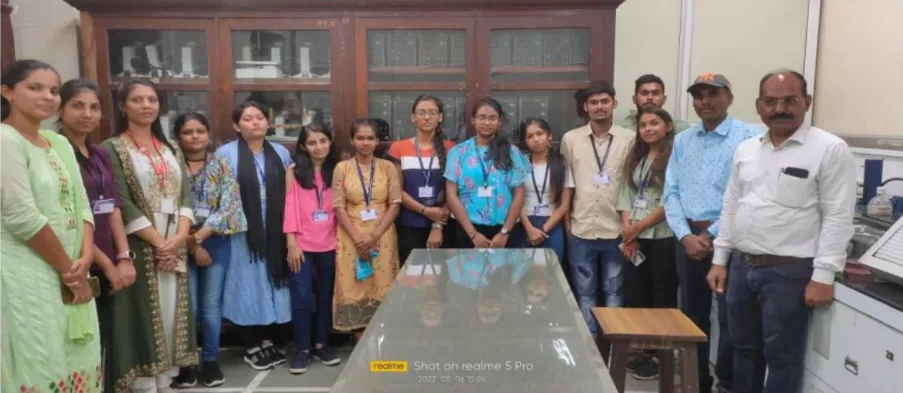
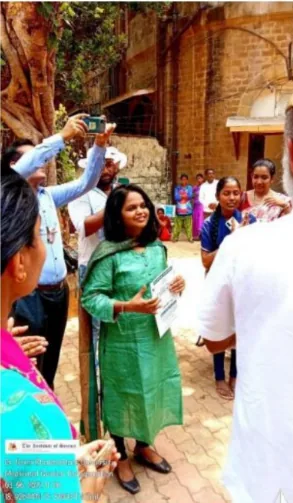
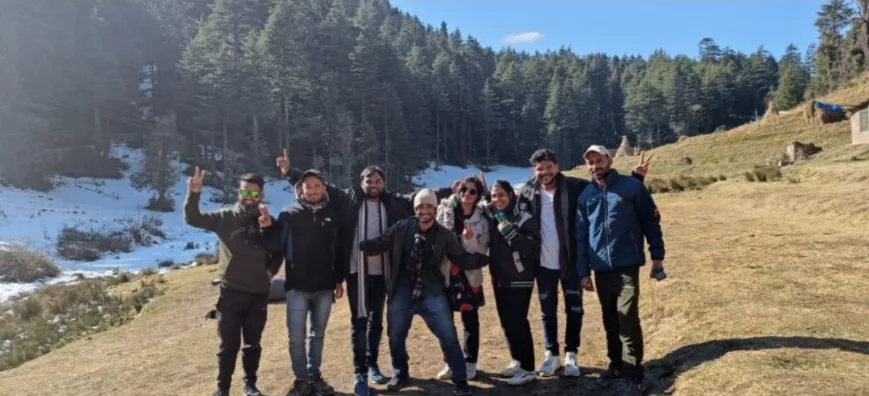
The department organizes a range of enriching initiatives, including instrumentation workshops, guest lectures by experts, immersive field visits, exciting excursions, insightful industrial tours, and an intercollegiate fest. These programs are thoughtfully designed to provide students with diverse learning experiences and opportunities for personal and professional growth.
I invite you to explore our website further to learn more about our department, faculty, research projects, and academic programs. Whether you are a prospective student, current student, faculty member, or visitor, we look forward to welcoming you to our vibrant botanical community at The Institute of Science, Mumbai.
As listed in the 2025–26 department brochure. Designations and qualifications appear only where the brochure prints them.
Head of the Department
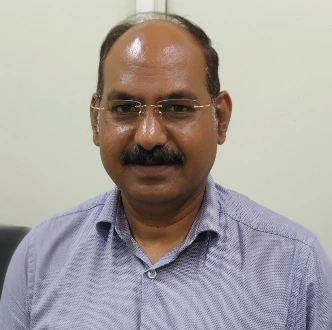
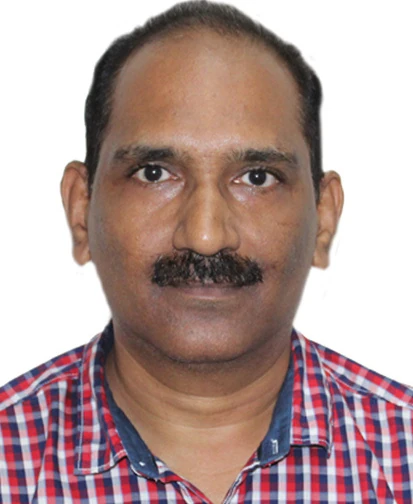
Transcribed from the 2025–26 brochure. Totals are calculated from the course rows; where the brochure prints a different figure it is shown beside the total.
| Code | Course | Type | Credits |
|---|---|---|---|
| Semester I | |||
| MSBODC101T | MSBODC101T Plant Diversity I: Algae, Fungi, Bryophytes and Pteridophytes | Major (mandatory) | 4 |
| MSBODC101P | MSBODC101P Plant Diversity I: Algae, Fungi, Bryophytes and Pteridophytes (Practical) | Major (mandatory) | 2 |
| MSBODC102T | MSBODC102T Plant Physiology and Ecology | Major (mandatory) | 4 |
| MSBODC102P | MSBODC102P Plant Physiology and Ecology (Practical) | Major (mandatory) | 2 |
| — | Discipline Specific Elective I | Major (elective) | 4 |
| — | Discipline Specific Elective I (Practical) | Major (elective) | 2 |
| MSBORM101T | MSBORM101T Research Methodology | Minor | 4 |
| Semester I total | 22 | ||
| Semester II | |||
| MSBODC201T | MSBODC201T Plant Diversity II: Gymnosperms, Angiosperms, Palaeobotany and Developmental Botany | Major (mandatory) | 4 |
| MSBODC201P | MSBODC201P Plant Diversity II: Gymnosperms, Angiosperms, Palaeobotany and Developmental Botany (Practical) | Major (mandatory) | 2 |
| MSBODC202T | MSBODC202T Genetics, Cell Biology & Plant Breeding | Major (mandatory) | 4 |
| MSBODC202P | MSBODC202P Genetics, Cell Biology & Plant Breeding (Practical) | Major (mandatory) | 2 |
| — | Discipline Specific Elective II | Major (elective) | 4 |
| — | Discipline Specific Elective II (Practical) | Major (elective) | 2 |
| MSBOFP201 | MSBOFP201 On Job Training/Field Project | OJT / Field project | 4 |
| Semester II total | 22 | ||
| Semester III | |||
| MSBODC301T | MSBODC301T Techniques and Instrumentation I | Major (mandatory) | 4 |
| MSBODC301P | MSBODC301P Techniques and Instrumentation I (Practical) | Major (mandatory) | 2 |
| MSBODC302T | MSBODC302T Cell and Molecular Biology-I | Major (mandatory) | 4 |
| MSBODC302P | MSBODC302P Cell and Molecular Biology-I (Practical) | Major (mandatory) | 2 |
| — | Discipline Specific Elective III | Major (elective) | 4 |
| — | Discipline Specific Elective III (Practical) | Major (elective) | 2 |
| MSBORP301P | MSBORP301P Research Project | Research project | 4 |
| Semester III total | 22 | ||
| Semester IV | |||
| MSBODC401T | MSBODC401T Techniques and Instrumentation II | Major (mandatory) | 4 |
| MSBODC401P | MSBODC401P Techniques and Instrumentation II (Practical) | Major (mandatory) | 2 |
| MSBODC402T | MSBODC402T Cell and Molecular Biology-II | Major (mandatory) | 4 |
| MSBODC402P | MSBODC402P Cell and Molecular Biology-II (Practical) | Major (mandatory) | 2 |
| — | Discipline Specific Elective IV | Major (elective) | 4 |
| MSBORP401P | MSBORP401P Research Project | Research project | 6 |
| Semester IV total | 22 | ||
| Programme total | 88 | ||
Exit option: Award of PG Diploma in Discipline with 44 credits OR continue with Discipline.
Source: Department of Botany brochure 2025–26 (13 pages). Brochure details may change; confirm admission rules with the Institute.